
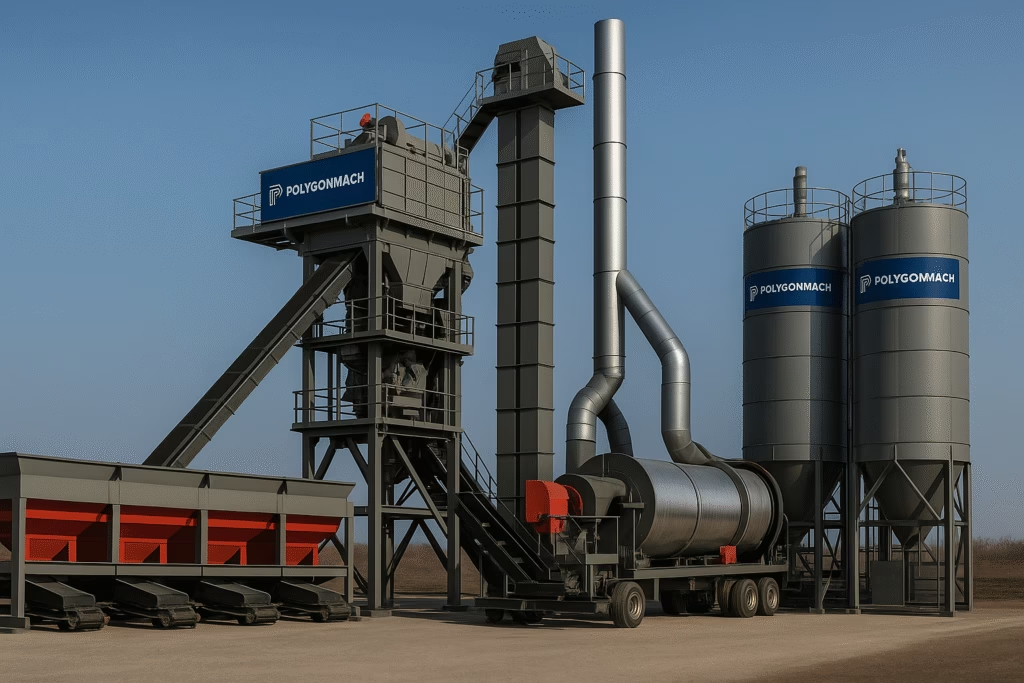
What is an Asphalt Plant and How Does It Work?
An asphalt plant is an industrial system used to produce asphalt by combining aggregates, bitumen, and filler materials under controlled conditions. These plants play a critical role in road construction, highways, airports, and large-scale infrastructure projects where consistent quality and production efficiency are essential.
Polygon Machine designs asphalt plants to deliver reliable performance, flexible operation, and high output quality across different project scales. Whether used in urban environments or remote construction sites, these systems are engineered to ensure stable production, reduced downtime, and optimized energy consumption.
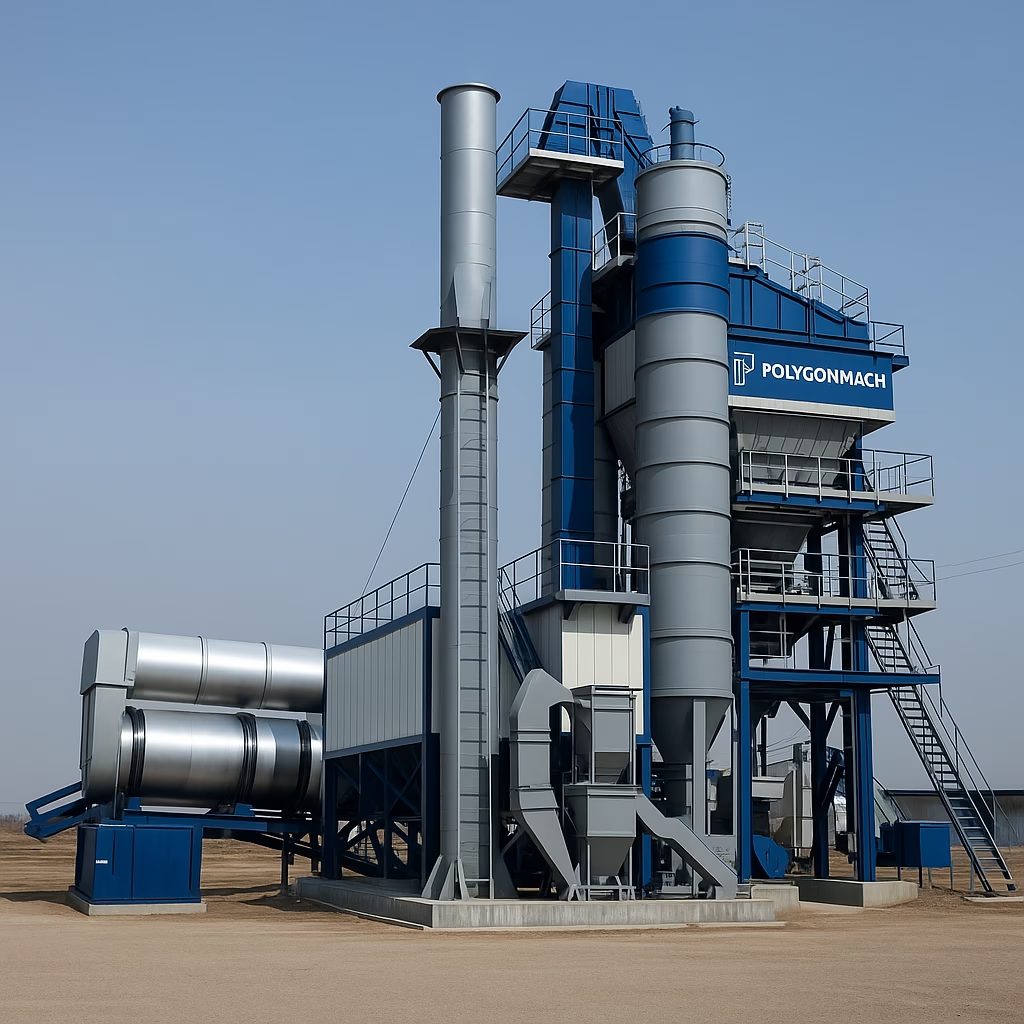
What is Bitumen?
Bitumen is the primary binding material used in asphalt production. It is a dense, highly viscous substance derived from petroleum and is responsible for holding aggregates together in asphalt mixtures.
Its key properties include:
- Strong adhesive characteristics
- High resistance to water
- Flexibility under varying temperatures
- Long-term durability under heavy traffic loads
These properties make bitumen essential for creating long-lasting road surfaces and durable infrastructure systems.
Types of Asphalt Plants
Asphalt plants are designed in different configurations depending on project requirements, production capacity, and mobility needs. The most common types include stationary, mobile, and continuous (drum mix) plants.
Ready to Choose the Right Asphalt Plant?
Our engineering team helps you select the most efficient solution based on your project needs, capacity requirements, and site conditions.
Get a Custom SolutionStationary Batch Asphalt Plants
Stationary batch asphalt plants are ideal for large-scale and long-term projects where consistent production quality is required.
These plants produce asphalt in controlled batches, allowing precise adjustment of aggregate size, bitumen ratio, and temperature. Each production cycle typically takes 40–50 seconds, ensuring both speed and accuracy.
Key advantages:
- High precision in mixture control
- Consistent output quality
- Suitable for large infrastructure projects
- Wide capacity range (40–400 tph)
These systems are commonly used in highway construction, airport projects, and urban infrastructure developments.

Mobile Asphalt Plants
Mobile asphalt plants are designed for projects that require flexibility and fast relocation. They are built on transportable chassis and can be installed quickly without the need for extensive site preparation.
Their modular structure allows fast setup and dismantling, making them ideal for short-term projects or remote locations.
Key advantages:
- Quick installation and commissioning
- Easy transportation between sites
- Reduced logistics and setup costs
- Suitable for remote or temporary projects
Mobile plants typically offer capacities ranging from 40 tph to 160 tph and provide a practical solution for dynamic construction environments.
Continuous Asphalt Plants (Drum Mix)
Continuous asphalt plants operate with a steady production flow, unlike batch plants that work in cycles. Materials are processed and mixed continuously inside a rotating drum.
There are two main configurations:
Parallel Flow Systems
Aggregates move in the same direction as the burner flame. While simple in design, this method may reduce mix quality due to direct heat exposure.
Counterflow Systems
Aggregates move opposite to the burner flame. This allows more efficient heating, better fuel consumption, and higher-quality asphalt production since materials are not directly exposed to flame.
Key advantages:
- Continuous production without interruption
- Efficient fuel usage
- Suitable for high-volume projects
- Stable and consistent output
Environmental Impact and Sustainability
Modern asphalt plants must comply with strict environmental standards. Emission control, dust reduction, and energy efficiency are now core requirements rather than optional features.
Polygon Machine integrates advanced filtration systems, dust collectors, and optimized combustion technologies to minimize environmental impact. These systems help reduce emissions, improve air quality, and ensure compliance with international regulations.
In addition, energy management systems optimize fuel consumption and reduce operational costs, supporting both sustainability goals and long-term profitability.
Choosing the Right Asphalt Plant
Selecting the right asphalt plant depends on several factors:
- Project duration (short-term vs long-term)
- Required production capacity
- Site location and mobility needs
- Environmental regulations
- Budget and operational costs
For long-term, high-capacity projects, stationary plants are the best choice. For flexible and mobile operations, mobile plants provide significant advantages. Continuous plants are ideal for projects requiring uninterrupted production and high efficiency.
Recommended Solutions by Polygon Machine
Polygon Machine offers a complete range of asphalt plant solutions designed to meet different operational needs.
- Stationary Asphalt Plants for large-scale production
- Mobile Asphalt Plants for flexible and fast deployment
- Continuous Drum Mix Plants for high-volume operations
Each system is engineered to deliver durability, efficiency, and consistent performance in real-world conditions.
Asphalt plants are essential systems in modern construction, enabling efficient and reliable production of asphalt for infrastructure projects. With different plant types available, selecting the right configuration can significantly impact project success, cost efficiency, and operational performance.
Polygon Machine combines engineering expertise with practical design to deliver asphalt plant solutions that meet today’s construction demands and adapt to future needs.